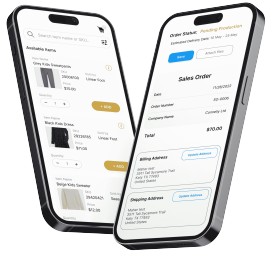
External access to NetSuite-related workflows introduces an immediate governance requirement: ensuring the right individuals can view, submit, and approve information—while everyone else is excluded. When customer and vendor interactions move beyond internal systems, security controls must extend with them. Without structured access restrictions, verification, and anti-abuse protections, routine processes like approvals and acknowledgements can create unnecessary risk.
A secure NetSuite portal allows organizations to share information with external stakeholders without compromising operational integrity or exposing sensitive data. Smartes’ Online Pages provide a controlled method for extending NetSuite-driven information and actions to external users while supporting secure, compliant processes through configurable access controls and verification mechanisms. By combining usability with governance, businesses can modernize how they interact with customers and vendors while maintaining a secure NetSuite portal environment.
The Bedrock of Access Control
Access control is the foundation of any secure system. It determines who can access information, what actions they can perform, and how that access is verified. When extending NetSuite workflows externally, access management becomes especially important because customers, vendors, and other partners interact with the system outside of the company’s internal network.
Online Pages address this challenge by allowing administrators to define access based on user records, ensuring that only authorized individuals can interact with specific transactions or workflows. This structured model helps organizations maintain a secure NetSuite portal by preventing unauthorized access while still allowing legitimate users to retrieve the information they need.
Administrators can control access at multiple levels. For example, customers may be allowed to view order details or confirm receipt of a shipment, while vendors may have access to purchase order acknowledgements or document submissions. Each audience interacts only with the data relevant to their role. By limiting visibility and actions to the appropriate scope, organizations reduce the risk of sensitive information being exposed.
In addition, optional email verification helps confirm a user’s identity before granting access to certain pages. This additional verification step strengthens the security posture of a secure NetSuite portal without introducing unnecessary complexity for legitimate users.
Elevating Security with reCAPTCHA
Public-facing pages can attract unwanted automated activity. Bots may attempt to submit forms, test endpoints, or generate excessive traffic that disrupts normal operations. For organizations providing external access to business workflows, protecting against automated abuse is an essential part of maintaining a secure NetSuite portal.
Online Pages support integration with Google reCAPTCHA to help distinguish human users from automated scripts. This technology analyzes user behavior and interaction patterns to determine whether the request originates from a legitimate user. If suspicious activity is detected, the system can challenge or block the request before it reaches your NetSuite environment.
The inclusion of reCAPTCHA helps organizations protect critical workflows such as order confirmations, document uploads, and approval processes. By filtering out automated submissions, businesses can reduce spam, prevent malicious activity, and maintain the reliability of their external processes.
Customizable Access Restriction Features
NetSuite’s online pages offer an array of access restriction features that empower businesses to tailor their security settings according to specific needs. These features include:
- Link Expiry: By setting a default expiry for each link, businesses can control the lifespan of access to their online pages. This ensures that even if a link falls into the wrong hands, its access is time-bound, greatly reducing potential security risks.
- Shared Access Restrictions: This feature prevents users from sharing access links, thereby curbing unauthorized access and ensuring that sensitive information remains within intended boundaries.
- Geographical Restrictions: The ability to restrict access based on geographic location adds another layer of security, allowing businesses to comply with regional data protection regulations and mitigate risks associated with access from high-risk countries.
- Custom Notifications: Customizing the sender’s information for notifications actively enhances the recognizability and credibility of communications. This customization reduces the risk of phishing attacks and ensures recipients duly note important information.
- Verification and Approval Processes: The verification email template and approve/reject action ID features streamline user verification and order approval processes. These features not only enhance security but also improve operational efficiency by facilitating quick decision-making.
Complying with Regulatory Security Standards
Organizations increasingly face regulatory expectations around data protection, access control, and process transparency. Security measures implemented within external portals must support these compliance goals.
By implementing structured access rules, verification steps, and automated protections, Online Pages help organizations align their external workflows with common security practices. These controls support key compliance principles such as limiting data exposure, verifying user identity, and maintaining traceability for approvals and submissions.
A well-designed secure NetSuite portal also helps organizations respond more effectively to customer security questionnaires and internal audits. Instead of relying on informal email-based processes, businesses can demonstrate that external interactions follow defined and controlled procedures.
Building Trust and Ensuring Data Integrity
Security measures ultimately serve a broader purpose: building trust. Customers and vendors are more likely to engage with systems that clearly protect their information and provide a reliable way to interact with your organization.
A secure NetSuite portal enables businesses to share information confidently, knowing that appropriate safeguards are in place. When stakeholders trust the platform, adoption increases and workflows become more efficient.
Additionally, controlled processes help ensure that data remains accurate and reliable. Approval actions, confirmations, and updates are recorded within structured workflows, reducing the likelihood of disputes or misunderstandings. This level of clarity strengthens operational relationships and improves the overall quality of business interactions.
Secure External Access and Compliance at Scale
Extending NetSuite processes to external users requires more than convenience—it requires security, governance, and clear controls. Organizations must ensure that the right people have access to the right information while preventing unauthorized actions and protecting sensitive data.
Online Pages provide the tools necessary to achieve this balance. Through configurable access controls, reCAPTCHA protection, link restrictions, verification mechanisms, and customizable notifications, businesses can build and maintain a secure NetSuite portal that supports both operational efficiency and compliance requirements.
As companies continue to expand digital interactions with customers and vendors, maintaining a secure NetSuite portal becomes essential. Online Pages helps users protect data integrity, ensure regulatory alignment, and build long-term trust with customers.
To learn more about how Online Pages can support secure external workflows in NetSuite, request a personalized walkthrough.